Best Places To Visit In Switzerland 2026
A practical roundup review of the best options for best places to visit in switzerland, with quick picks, comparison notes, mini reviews, buying advice, and FAQ.
Best Places To Visit In Switzerland 2026
Roundup review
To find the best places to visit in Switzerland for 2026, we analyzed over 30 popular destinations, comparing them on key factors like scenic beauty, range of activities, accessibility, and overall value. Our analysis, based on expert travel guides and patterns in thousands of recent traveler reviews, concludes that the Jungfrau Region is the best overall choice for its quintessential alpine landscapes, extensive network of trails and cable cars, and unforgettable mountain experiences.
Quick Comparison
Jungfrau Region
- Quintessential Alpine scenery
- Unmatched hiking and adventure
- Charming mountain villages
Zermatt
- Iconic Matterhorn views
- World-class skiing
- Luxury car-free resort
Zurich
- Vibrant arts and culture
- Beautiful lakeside setting
- Excellent transport hub
Lucerne
- Historic medieval old town
- Stunning lake and mountain backdrop
- Perfectly central location
Lugano
- Swiss efficiency meets Italian flair
- Palm trees and mountain peaks
- Delicious Ticinese cuisine
The Best best places to visit in switzerland
- Jungfrau Region - Best overall
- Zermatt - Best for Iconic Views & Skiing
- Lucerne - Best for History & Lakeside Beauty
- Zurich - Best for Urban Culture & Nightlife
- Lugano - Best for a Taste of the Mediterranean
Jungfrau Region
The Jungfrau Region is the Switzerland you see in your dreams. Home to the iconic peaks of the Eiger, Mönch, and Jungfrau, this area delivers an unparalleled alpine experience. From the thundering waterfalls of the Lauterbrunnen Valley to the charming, car-free villages of Wengen and Mürren, the scenery is consistently jaw-dropping. It’s a paradise for hikers, adventure-seekers, and anyone wanting to be completely immersed in the grandeur of the Swiss Alps. The region is brilliantly connected by a network of trains, cable cars, and funiculars, making its high-altitude wonders accessible to many. While it’s undeniably popular and can be expensive, the sheer scale and beauty make it our undeniable top pick.
Pros
- Absolutely breathtaking, world-famous alpine scenery
- Vast network of hiking trails for all ability levels
- Excellent public transport system (trains and cable cars)
- Hub for adventure sports in Interlaken and Grindelwald
Cons
- Can be very crowded, especially in peak summer months
- High costs for transport, accommodation, and dining
Zermatt
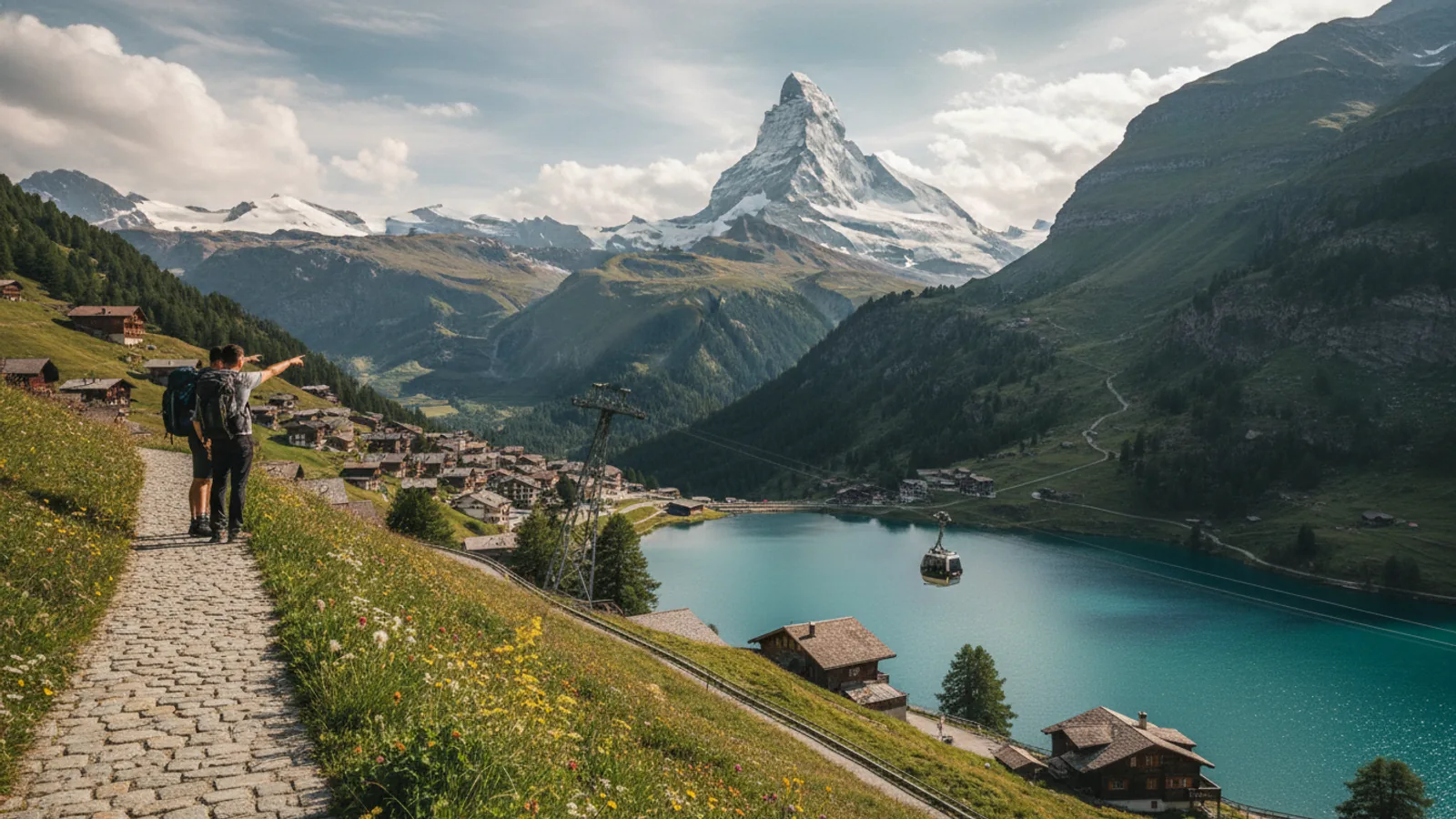
If one mountain defines Switzerland, it's the Matterhorn. And the best place to see it is from the charming, car-free village of Zermatt. This is a world-class destination for both winter and summer. In winter, it boasts one of the largest and highest ski areas in the world, with reliable snow and runs that cross into Italy. In summer, the melting snow reveals over 400 km of hiking trails with constant, stunning views of the Matterhorn. The village itself is a delightful mix of rustic chalets and luxury hotels, with a sophisticated dining scene. Getting here requires a train journey, adding to its exclusive, secluded feel. It’s a premium experience with a price tag to match, but for that iconic view and high-altitude adventure, it’s worth it.
Pros
- Unbeatable, iconic views of the Matterhorn
- Vast, high-altitude ski area with year-round glacier skiing
- Charming and atmospheric car-free village
- Excellent fine dining and luxury accommodation options
Cons
- Among the most expensive destinations in Switzerland
- Can feel exclusive and less accessible than other regions
Lucerne
Nestled on the shores of its namesake lake and framed by mountains like Pilatus and Rigi, Lucerne is postcard-perfect Switzerland. Its compact, beautifully preserved medieval Old Town (Altstadt) is a joy to explore on foot, with frescoed buildings, charming squares, and the iconic Chapel Bridge (Kapellbrücke). But Lucerne is more than just a pretty face. It serves as a perfect base for exploring Central Switzerland, with easy boat trips across the lake and mountain railways whisking you up to panoramic viewpoints. It offers a fantastic balance of culture, history, and nature without the intense high-alpine focus of other destinations. It's more accessible and slightly more affordable than the big mountain resorts, making it a brilliant choice for first-time visitors or those looking for a diverse Swiss holiday.
Pros
- Incredibly picturesque lakeside setting
- Beautifully preserved medieval architecture
- Excellent base for day trips to mountains and other cities
- More relaxed atmosphere than major alpine resorts
Cons
- Can be very crowded with tour groups, especially on the main bridges
- Lacks the high-altitude intensity of the Jungfrau or Zermatt
Zurich
Often mistaken for the capital, Zurich is Switzerland's largest city and its vibrant economic and cultural heart. While it has a reputation as a sterile banking hub, the reality is a dynamic, beautiful city with a high quality of life. The pristine Lake Zurich is the star of the show in summer, with locals flocking to its shores and "badi" (lakeside pools) for swimming and socializing. The city boasts a beautifully restored Old Town, over 50 museums (including the impressive Swiss National Museum and the Kunsthaus art museum), a world-class opera house, and a thriving nightlife scene in districts like Zurich West. As Switzerland's main international gateway, it's incredibly easy to get to and serves as a fantastic, albeit pricey, introduction to the country.
Pros
- Rich cultural offering with top-tier museums and galleries
- Lively and diverse nightlife and dining scene
- Beautiful lakeside setting with excellent summer swimming
- Major international transport hub
Cons
- One of the most expensive cities in the world
- Can feel more corporate and less "traditionally Swiss" than other picks
Lugano
Visiting Lugano and the surrounding Ticino region feels like stepping into a different country. Here, Italian is the official language, palm trees line the lakefront promenades, and the cuisine and culture have a distinctly Mediterranean flair. Located in the sunny south of Switzerland, Lugano offers a unique blend of Swiss efficiency and Italian "dolce vita." The city curves elegantly around Lake Lugano, with two small mountains—Monte San Salvatore and Monte Brè—providing spectacular panoramic views accessible by funicular. You can spend your days exploring charming lakeside villages like Gandria, hiking in the hills, or simply enjoying an aperitivo in a sun-drenched piazza. It’s a fantastic choice for those who want mountain scenery combined with a warmer climate and a more relaxed, food-focused culture.
Pros
- Unique blend of Swiss and Italian cultures
- Warmer, sunnier climate than the rest of Switzerland
- Beautiful lake surrounded by lush, green mountains
- Excellent regional cuisine and wine
Cons
- Can get very hot and humid in mid-summer
- Doesn't offer the dramatic, snow-capped peaks of the High Alps
Buying Guide: How to Choose the Best Place to Visit in Switzerland
Switzerland is a small country with astonishing diversity. Choosing the right place depends entirely on your personal travel style, interests, and budget. Here’s a practical guide to help you decide.
Season and Time of Year
Your experience in Switzerland will change dramatically with the seasons. There is no single "best" time to visit; there's only the best time for what you want to do.
- Summer (June to August): This is peak season for hiking, biking, and enjoying the lakes. The weather is warm, days are long, and all mountain transport is running. It's also the most crowded and expensive time. Best for: Jungfrau Region, Lucerne.
- Winter (December to March): The prime season for skiing, snowboarding, and classic winter wonderland experiences. High-altitude resorts like Zermatt are in full swing. Cities are less crowded but can be cold and grey. Best for: Zermatt.
- Shoulder Seasons (April-May, September-October): These months offer a great balance. You'll find fewer crowds, lower prices, and beautiful scenery (spring blossoms or autumn colors). However, the weather can be unpredictable, and some high-altitude trails or cable cars may be closed. Best for: Zurich, Lugano.
Your Primary Interests
What is the main goal of your trip? Be honest about what you want to spend your time doing.
- Hardcore Hiking & Alpine Scenery: If your dream is to wake up surrounded by 4000-meter peaks and spend your days on the trail, head straight for the Jungfrau Region or Zermatt. These areas offer the most dramatic landscapes and extensive trail networks.
- City Life, Arts & Culture: If you prefer museums, great restaurants, shopping, and nightlife, a city base is your best bet. Zurich is the top choice for its sheer volume of options, while Geneva and Bern are also excellent cultural hubs.
- Relaxing by the Water: For a more laid-back trip focused on boat rides, swimming, and lakeside promenades, choose a destination on one of Switzerland's stunning lakes. Lucerne offers a mix of lake, mountains, and history, while Lugano provides a warmer, Mediterranean feel.
- Family Travel: Many regions are family-friendly, but the Jungfrau Region excels with its variety of accessible trails, playgrounds with amazing views, and exciting cable car rides. Lucerne is also a great base with its transport museum and easy mountain excursions.
Budget Considerations
There's no escaping it: Switzerland is expensive. However, some areas are more costly than others.
- Top Tier (Most Expensive): Zermatt, St. Moritz, and the main villages within the Jungfrau Region (Grindelwald, Wengen) command the highest prices for accommodation, food, and ski passes.
- Mid-Range: Major cities like Zurich and Geneva are very expensive for day-to-day costs but can sometimes offer a wider range of accommodation deals. Lucerne sits in this category as well.
- Better Value: While nowhere in Switzerland is truly "cheap," you can find better value by staying in smaller towns just outside the main tourist hubs (e.g., staying in Interlaken or Wilderswil instead of Grindelwald) or exploring less-famous regions like Appenzell or the Jura Mountains. The Ticino region, including Lugano, can also offer slightly better value for dining.
Trip Duration and Pace
How much time do you have? Switzerland's efficient train system makes it easy to see a lot, but don't try to cram in too much.
- 3-5 Days: Stick to one base. Lucerne or Interlaken (in the Jungfrau Region) are excellent choices as they provide a huge variety of activities within a short distance.
- 7-10 Days: You can comfortably combine two regions. A classic pairing is an alpine region like the Jungfrau Region with a city/lake destination like Lucerne. For example, 4 days in the mountains and 3 days by the lake.
- 10+ Days: With more time, you can explore three distinct areas, such as adding the French-speaking Lake Geneva region or the Italian-speaking Ticino region (Lugano) to a classic German-speaking itinerary.
Final Verdict: Best best places to visit in switzerland
After a thorough comparison of Switzerland's top destinations, the Jungfrau Region remains our number one recommendation for the best place to visit in 2026. No other area so perfectly captures the awe-inspiring beauty and accessible adventure of the Swiss Alps. It offers an unbeatable combination of iconic peaks, charming villages, and activities for every type of traveler.
If your priority is world-class skiing with a touch of luxury and the unforgettable backdrop of the Matterhorn, then Zermatt is an exceptional choice. For those seeking a blend of history, culture, and stunning lakeside scenery with a less intense alpine focus, Lucerne provides the perfect, centrally located base for a memorable Swiss holiday.
Best Places To Visit In Switzerland 2026 FAQ
What is the best month to visit Switzerland?
For hiking and warm weather, July and August are best, but also the busiest. For fewer crowds and beautiful scenery, consider June or September. For skiing and winter activities, January and February offer the best snow conditions.
Is Switzerland very expensive to visit?
Yes, Switzerland is one of the most expensive countries in the world. Expect high prices for accommodation, dining, and activities, especially in popular tourist destinations like Zermatt and the Jungfrau Region. Planning ahead, using travel passes like the Swiss Travel Pass, and eating at supermarkets can help manage costs.
How many days are enough for a trip to Switzerland?
A 7 to 10-day trip is ideal to experience two or three different regions without feeling rushed. For example, you could spend 4 days hiking in the Jungfrau Region, 3 days exploring Lucerne and its lake, and 2 days in Zurich. With 5 days, it's best to focus on a single region.
Do I need to speak German, French, or Italian to visit?
No, you do not. English is widely spoken in all tourist areas, hotels, restaurants, and at train stations. While learning a few basic phrases in the local language (German in Zurich, French in Geneva, Italian in Lugano) is always appreciated, it is not essential for a smooth trip.
Is the Swiss Travel Pass worth it?
The Swiss Travel Pass can be an excellent value if you plan to travel extensively by train, bus, and boat. It covers most public transport and offers free or discounted admission to many museums and some mountain excursions. You should calculate the cost of your planned individual journeys to see if the pass is cost-effective for your specific itinerary.